
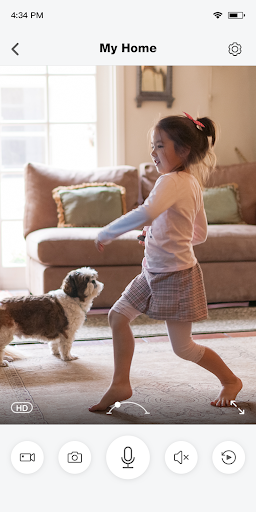
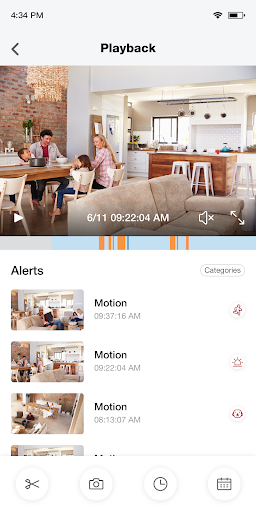
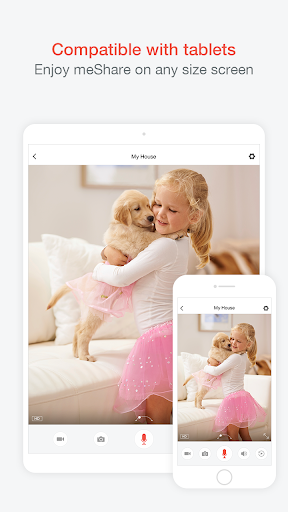
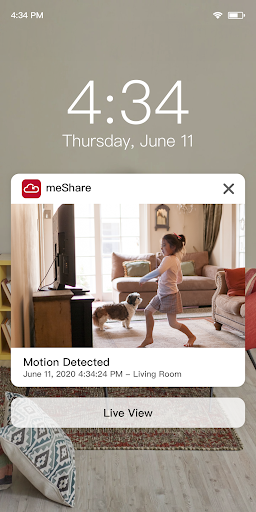
Meet meShare: The Smart Way to Share Life's Messy Middle
meShare isn't another filter-stacked social scrapbook. It's a private, context-rich sharing platform that captures the *unpolished* moments—the half-eaten pizza, the messy desk, the 3 a.m. thought—and wraps them in location, weather, and mood data. Built by a small team of ex-photographers and behavioral psychologists in Berlin, meShare focuses on what your phone already knows but your apps ignore: the *why* behind the photo. Its headline features include “Context Stamps” (auto-attach time, place, temperature, and even air pressure), “Circle Threads” (invite-only group timelines that feel like a group chat for memories), and “Mood Mapping” (a visual diary that charts your emotional weather over weeks). Target users? Not influencers. Not teens chasing likes. It's for busy adults—parents, shift workers, freelancers—who want to document life honestly for a small crew of people who actually care.
Why I Almost Deleted It (And Then Got Hooked)
My first 48 hours with meShare were confusing. No streaks. No public feed. No heart button. I felt like I'd walked into a coffee shop that only serves pour-over and doesn't have Wi-Fi—deliberately. But then I posted a blurry photo of my rain-soaked running shoes after a 6 a.m. jog. The app automatically stamped it with “Oslo, 07:12, 4°C, drizzle.” A friend in Lisbon replied not with a generic “🔥” but with a voice note: *“You're crazy, but remember that hill we did in Madeira?”* That's when it clicked. meShare isn't fighting for your attention; it's fighting *for your context*. The app strips away performance anxiety by hiding like counts entirely and replacing them with “Nods”—a subtle tap that says “I see you” without starting a conversation. It took me three days to stop looking for numbers, but once I did, I felt like I was texting my closest friends rather than broadcasting to an audience.
Context Stamps: Your Photos, But With a Memory's DNA
The standout feature, “Context Stamps,” is quietly genius. Most camera apps embed EXIF data—meShare makes that data *visible and poetic*. When you snap a photo inside the app, it overlays a small, elegant chip showing not just GPS coordinates but also local weather (pulled from OpenWeather), lunar phase, and even barometric pressure. Why pressure? Because the team found that low-pressure days often correlate with mood dips—so your photos from a gray Tuesday will read “1013 hPa, overcast” while your beach day says “1025 hPa, clear skies.” It's not a gimmick; it's a memory anchor. I scrolled back three weeks to a photo of my failed sourdough loaf, and the stamp read “21°C, humid, 5 minutes before rain.” I instantly remembered the sticky flour on my counter. That's the magic—it triggers *physical* recall, not just visual. And unlike Instagram's “add location” which begs you to check in at a trendy café, this is passive, automatic, and refreshingly non-bragworthy.
Mood Mapping + Circle Threads: A Diary That Listens Back
Here's where meShare differentiates itself from every “lifestyle” app I've tested (including the overhyped Day One and the cluttered Polarsteps). “Mood Mapping” asks you a single question each evening—*“Rate today's emotional texture from ‘static' to ‘harmonic'?”*—and then correlates your answer with the Context Stamps from photos you took that day. After two weeks, it shows you a line graph titled “Your Weather Patterns” with surprising correlations: *“Your ‘static' days are 80% more likely to follow low-pressure mornings.”* It's not medical advice, and it never claims to be. But it's the kind of gentle, data-driven self-reflection that makes you rethink your routines. Pair this with “Circle Threads,” which are essentially group timelines for up to 8 people—but with a twist: each member's posts appear with a tiny satellite icon indicating whether they've seen your content. This kills the “left on read” anxiety because it's not about reply urgency; it's about shared temporal presence. My two college roommates and I now have a thread called “Leftovers & Landlords” where we post ugly apartment food. It feels like a living room, not a feed.
Design, Flow, and the Learning Curve (With One Frank Warning)
Visually, meShare is what would happen if a Moleskine notebook and a weather radar app had a baby. Clean, off-white backgrounds, serif fonts for timestamps, and muted green/blue accents—no retina-burning gradients. Navigation is gesture-driven: swipe right for your circle, swipe left for your mood graph, long-press any photo to see its full Context Stamp. The learning curve is steeper than TikTok's but friendlier than any pro-grade editor. I'd say you need about 20 minutes of fiddling to understand the logic, and a full week to appreciate the design choices (like why there's no “edit” button on a photo after posting—it's a deliberate anti-perfectionism nudge). One warning: the barometer feature is power-hungry. My iPhone 13's battery dropped from 78% to 31% in four hours of heavy use. The team has acknowledged this and recommends toggling “eco-stamps” (which disable pressure and lunar data) in the settings. It's a fair trade for the poetic metadata, but you should know before you leave the house with 20% battery.
Final Verdict: For Slow Lifers, Honest Journalers, and Close-Knit Groups
Is meShare for everyone? Absolutely not. If you crave validation, viral reach, or algorithmic discovery, you'll find it as exciting as watching paint dry. But if you're tired of performing your life for a silent crowd, and you value *authenticity over aesthetics*, meShare is a breath of stale, honest air. I recommend it for: (1) families spread across time zones who want a private, low-pressure ritual; (2) people in therapy or self-improvement journeys who want a non-clinical mood tracker; (3) photographers who want objective environmental context without writing captions. My usage suggestion: start with just one “Circle” of three to five people, and commit to posting *only* unfiltered moments for two weeks. Resist the urge to add text captions—let the stamps speak. After that trial, you'll either delete it (fair enough) or find yourself looking forward to your evening “texture” rating. I'm on day 40, and my “static vs. harmonic” chart is genuinely more revealing than any meditation app I've tried. It's not perfect, but it's real. And in this category, that's rarest of all.