


First Impressions: What Is Big Guy: Idle RPG?
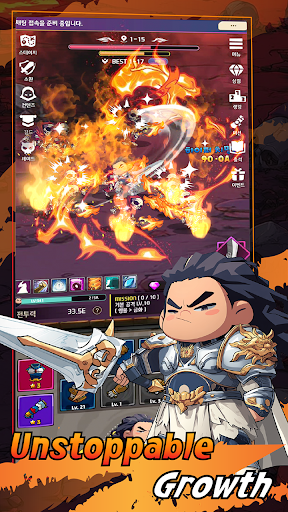
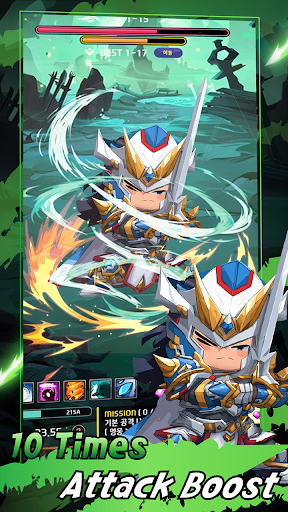
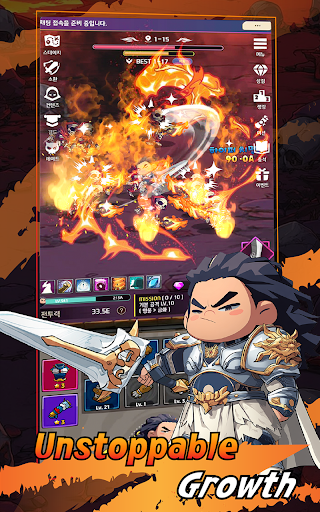
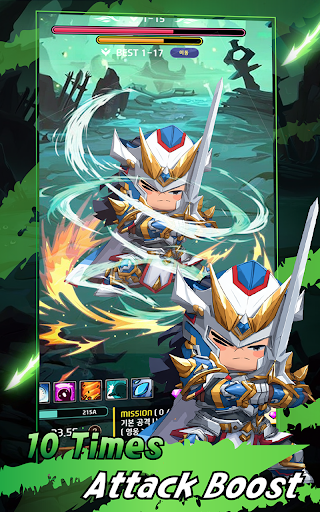
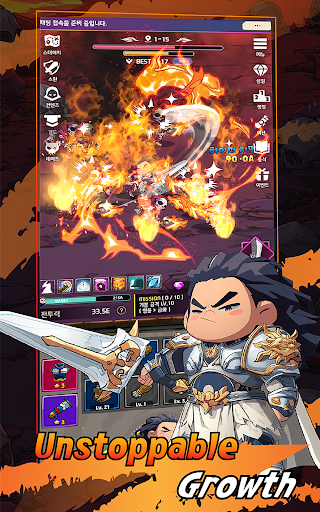
Big Guy: Idle RPG is a hands-off role-playing adventure that lets your hero grow from a tiny grunt into a giant powerhouse while you manage strategic upgrades and combos in the background. Developed by the small but ambitious team at Tiny Titan Games, it stands out with four key features: a dynamic body scaling system that physically changes your character's size and combat reach, a Gene Mod system for mixing DNA strands to create custom passive buffs, offline progression that actually respects your time, and limited-time Boss Rush events that reward smart build tweaks. It's designed for casual players who want meaningful growth without constant tapping, as well as min-maxers who love experimenting with weird and wonderful combos.
The Accidental Giant: Why I Kept Coming Back
I'll be honest: I've tried dozens of idle RPGs, and most feel like you're just watching numbers go up. But Big Guy? It caught me off guard. The first time I saw my lanky hero hulk out after equipping a new torso piece, I actually laughed out loud. It's not just about getting stronger—it's about getting bigger, and that visual payoff makes all the difference. You're not staring at a spreadsheet; you're watching your little dude evolve from a goblin-sized annoyance into a zone-filling brute who can slap groups of enemies with a single swing. And the best part? The game doesn't punish you for walking away. It's like having a pet that gains XP while you sleep, except this pet can level cities.
Size Matters: The Dynamic Body Scaling
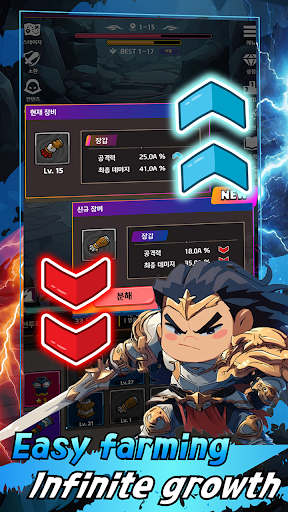
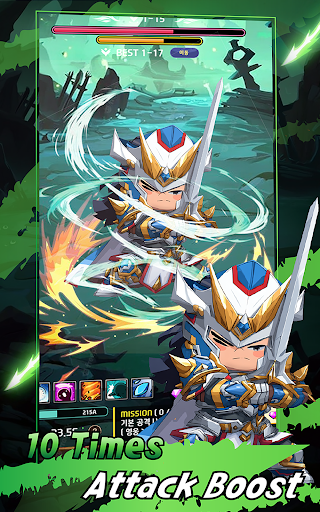
This is the headline feature, and it's executed with surprising care. As you upgrade your hero's “Growth Gene” and equip bigger armor pieces, the character model actually expands in real time—not just a visual flair but a mechanic. A larger torso increases your attack range and knockback, but slows your movement speed. Bigger legs boost dash distance but make turning sluggish. This isn't a superficial makeover; it's a trade-off system that forces you to think about your playstyle. Do you want a speedy assassin that zips through trash mobs, or a walking fortress that clears screens in three swings? The physical change is directly tied to combat performance, so every upgrade feels substantial. Unlike other idle games where gear is just a stat stick, here you feel the bulk, the momentum, the satisfying thud when your giant's fist connects.
Gene Mod System: Crafting Your Own Mutant
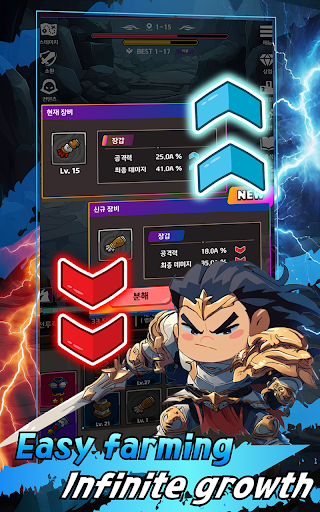
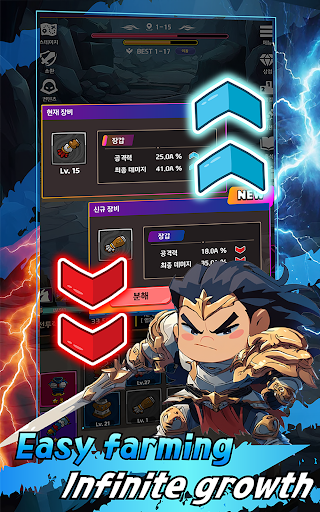
The second standout feature is the Gene Mod system, and it adds a layer of strategic depth that most idle RPGs lack. Think of it as a skill tree built from literal DNA strands. You collect gene fragments from bosses and daily logins, then combine them into mods that grant unique passive bonuses—like “Vampiric Bite” (heal on hit) or “Stone Skin” (damage reduction but slower attack). Each mod has a slot type (head, chest, legs), and you can swap them freely. The real magic happens when you pair mods with your current body size. A giant with “Vampiric Bite” becomes a self-sustaining tank; a tiny speedster with “Critical Frenzy” melts bosses in seconds. The system encourages experimentation without being punishing—rerolling costs only in‑game currency, not premium gems. It's like building your own superhero from spare parts, and the combinations are genuinely creative.
The User Experience: Smooth, Friendly, and Surprisingly Polished
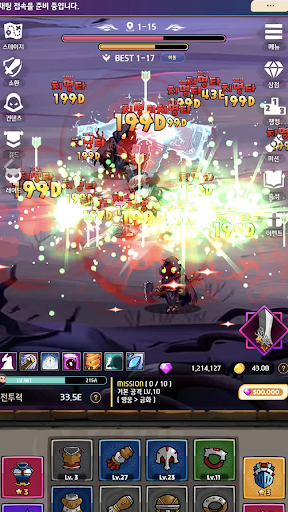
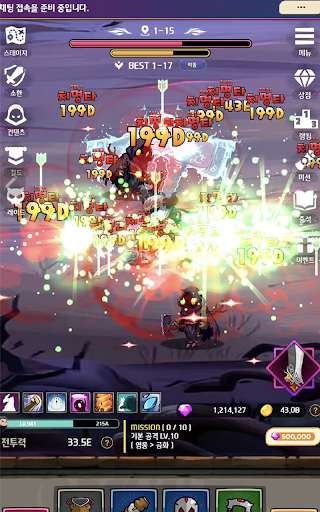
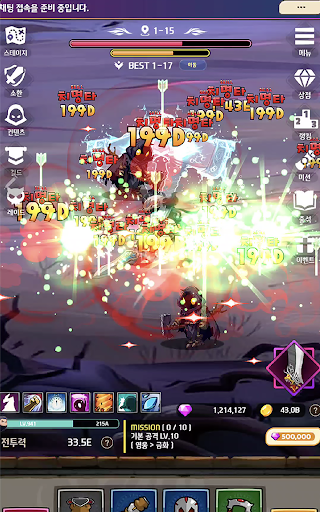
The interface is clean and uncluttered. Your hero is front and center; menus slide in from the side without blocking the action. Onboarding is a gentle hand‑hold—you're guided through the first dozen upgrades, then left to explore. Controls are simple: tap to fight, swipe to dodge (yes, you can manually dodge boss attacks, which keeps things from getting totally passive). Load times are snappy, even on mid‑range phones, and the art style is a charming blend of cartoonish proportions and vibrant colors. The learning curve is almost flat at the start—you can get to the first major boss in 10 minutes—but the Gene Mod system and body scaling introduce decision points that reward deeper understanding. It's the kind of game you can pick up for a minute or obsess over for an hour.
What Sets It Apart: Real Physics and Real Lessons
Compared to other simulation-style games (most idle RPGs are really resource management sims with a fantasy skin), Big Guy takes a surprisingly grounded approach to its core mechanic. The body scaling isn't magic—it follows a crude physics logic. A larger character has a bigger collision hitbox, takes up more screen space, and actually pushes smaller enemies aside. This isn't just visual fluff; it means positioning matters. If you build a giant, you'll struggle against tight corridors, while a tiny build can slip through enemy lines. That's a level of environmental interaction most idle games avoid. More interestingly, the game teaches an abstract lesson about resource trade‑offs that transfers to real‑world planning. You learn to prioritize: do you invest in immediate power (size) or flexibility (speed)? Each choice has long‑term consequences. I found myself thinking about opportunity cost and diminishing returns—skills that apply to budgeting, project management, even cooking. It's a rare idle game that makes you smarter without you noticing.
Verdict and Practical Advice
I'd recommend Big Guy: Idle RPG to anyone who enjoys the idle genre but wants more meaningful decisions, or to strategy fans looking for a low‑commitment hobby. It's not a deep RPG—don't expect a narrative—but it's a clever toy for the brain. My advice: start with a balanced build (medium size, a mix of defensive and offensive mods) to feel out the mechanics, then go wild. The Gene Mod system shines in the endgame when you're tuning for specific bosses. And don't worry about missing events; the offline progression is generous enough that you won't fall behind. If you're tired of games that just show bigger numbers, here's one that actually makes your character bigger—and that weirdly satisfying difference is why I'm still playing three weeks later.